
Precise control of a vessel’s propeller blades is essential for moving forward, reversing and reducing speed. But what does it take to ensure this control remains safe and reliable?
That is where a well-engineered Hydraulic Power Unit (HPU) plays a crucial role.
A new solution for an existing system
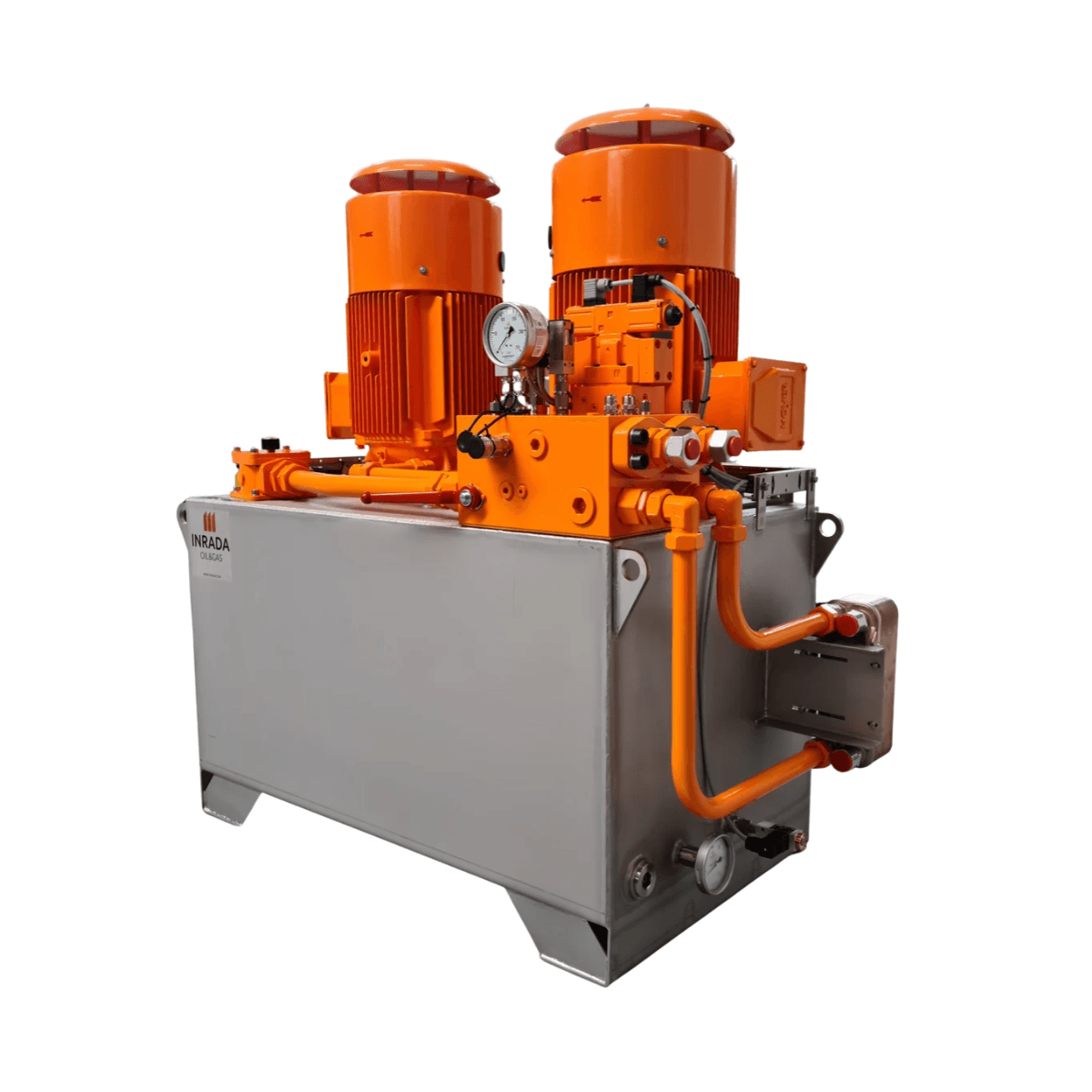
When one of our customers wanted to replace an existing hydraulic system with an updated solution, they turned to INRADA. The goal was not simply to replace the old system, but to develop a custom HPU that met the customer’s specific requirements while maintaining the original dimensions as much as possible. Through close communication with the customer, we identified the key requirements and translated them into a new design. One of the most important considerations was ensuring that the HPU could deliver the correct hydraulic pressure and flow to adjust the vessel’s propeller blades pitch. Reliable hydraulic control is therefore essential for safe vessel operation.
Engineered for life at sea
Designing an HPU for a marine environment requires more than selecting the right hydraulic components. At INRADA, we redesigned the existing system and developed a detailed 3D model, taking into account operating conditions, working and safety pressures, hydraulic fluid specifications and environmental temperatures. Because the system operates in a demanding marine environment, a combination of stainless steel 316 and a specialised offshore coating was selected to meet the specific requirements of the application. Cooling was another important consideration. The cooling system was designed around the required operating temperature of the hydraulic oil and the temperature of the surrounding water used as the cooling medium. Every technical decision was made in close cooperation with the customer to ensure the final design matched both the application and the installation requirements.
The power behind precise control
At the heart of the HPU are two essential elements: the pump and motor combination and the hydraulic control system. The pump and motor combination generates the hydraulic flow and pressure needed to adjust the propeller blades. The hydraulic control system then directs and regulates the hydraulic flow, allowing the blades to be positioned as required. One of the more challenging aspects of this project was the complexity of the hydraulic control system. As part of the design, we also integrated a valve directly into the manifold, creating a customised solution for the application. All hydraulic components, electric motors and other essential parts were carefully selected and sourced from specialised suppliers and manufacturers.
From 3D design to a fully tested HPU
Once the engineering phase was completed, the HPU was assembled in our workshop, fitted with hydraulic piping and finished with its protective coating. Before delivery, the complete system was tested at INRADA. During these tests, we checked hydraulic pressure, flow, temperature, leakage and overall functionality to verify that the HPU performed according to the agreed requirements. Critical components, including manifolds, piping, pumps and motors, were supplied with 3.1 material certificates or test certificates. In addition, a Factory Acceptance Test (FAT) was carried out. The test results and relevant certificates were subsequently reviewed and approved by a classification society.
Safety and reliability built into every detail
When a hydraulic system controls a vessel’s propeller blades, safety is not optional. One of the most important safety features of this HPU is hydraulic pressure limitation. By preventing excessive pressure, the system helps protect its components against damage and reduces the risk of hydraulic failure. The HPU is also equipped with pressure switches and pressure transmitters to monitor hydraulic pressure. In addition, the hydraulic oil is monitored for temperature and contamination, helping to maintain reliable operating conditions. Reliability also depends on how easily a system can be maintained. That is why the pump sets were positioned to allow easier access for inspection, servicing and potential pump overhauls. These considerations help ensure that the HPU is not only safe and reliable in operation, but also practical to maintain on board.
A challenging project, a rewarding result
Every custom HPU comes with its own engineering challenges, and this project was no exception. The complexity of the hydraulic control system made it a particularly interesting challenge for our engineering and workshop teams. By largely maintaining the dimensions of the original system, we made the installation of the replacement HPU more straightforward for the customer. Looking at the finished HPU, we are proud of what our team achieved: a custom-engineered and thoroughly tested hydraulic system that meets the customer’s requirements. Throughout the project, safety, reliability and maintenance accessibility remained important considerations.
Our involvement doesn’t end with the delivery of the HPU. We also support our customers with maintenance, spare parts and technical expertise, ensuring they can rely on their hydraulic systems throughout their operational lifetime.
A great example of how close collaboration, technical expertise and practical engineering come together in a solution built for life at sea.